Demand and market
Crop, target market, sales channel, annual volume and delivery calendar are defined together.
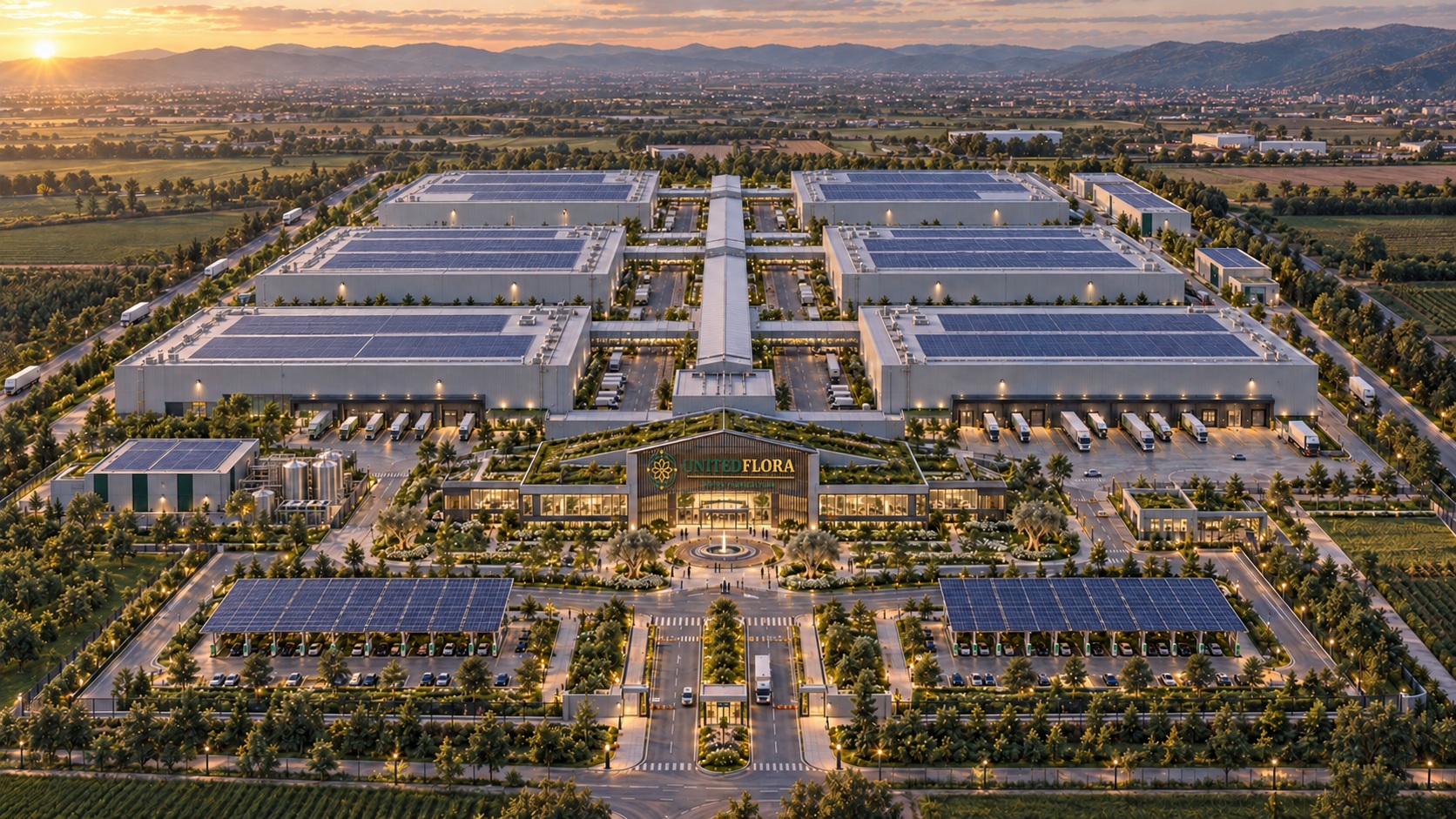 Architectural concept
UNITEDFLORA · BURSA
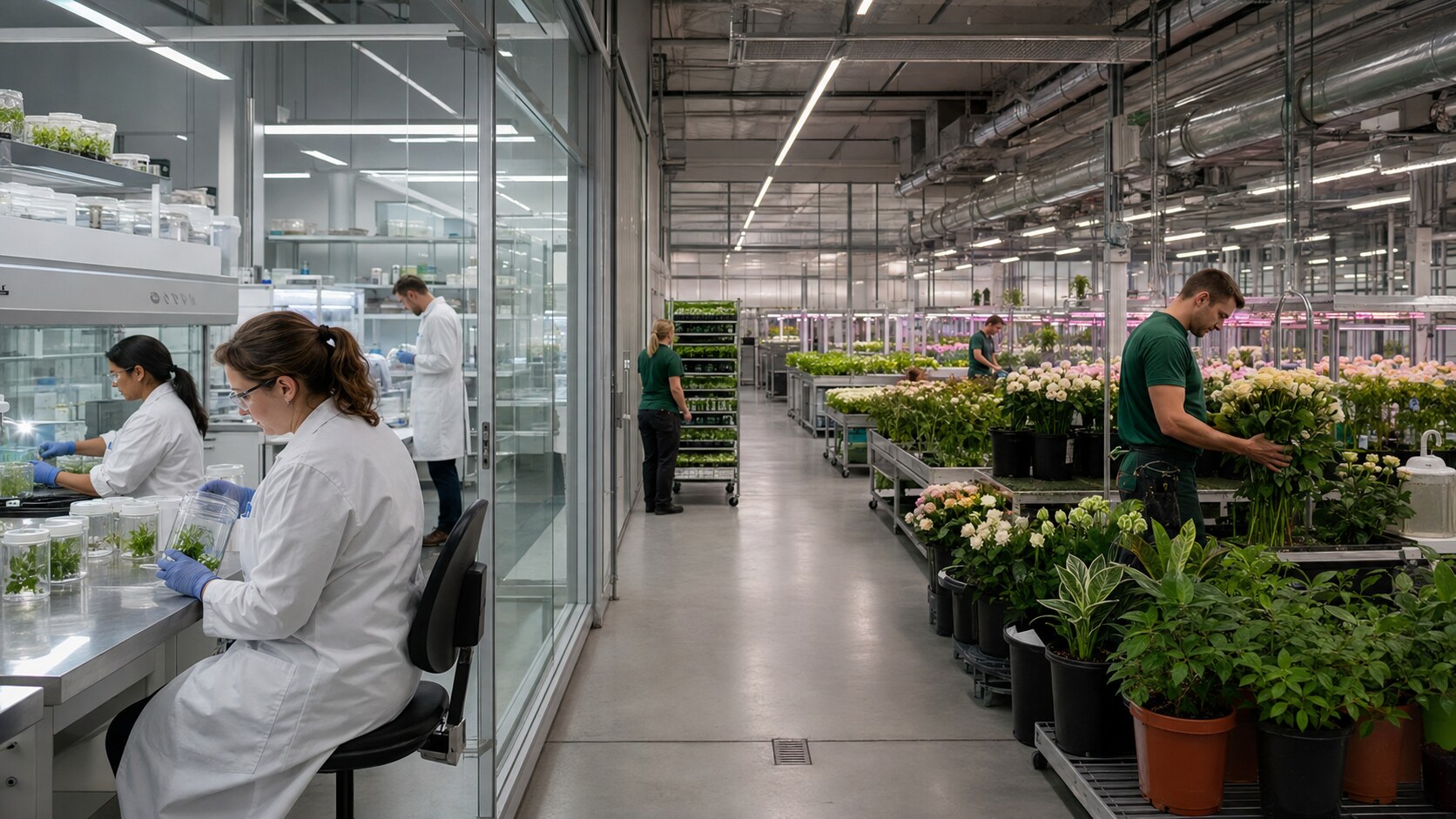
Explore all 17 campus areas, from the main entrance to research, production, harvest, packing and dispatch.
UNITEDFLORA is a global production platform developing controlled growing infrastructure and end-to-end operating capability for flower brands.
It is designed to connect demand with crop protocol, production planning, reserved capacity, quality and delivery readiness in one model.
Explore the Unitedflora modelThe partner brand leads its customers, channels and product standard. Unitedflora builds and operates the validated crop protocol, required capacity and end-to-end production operation.
Explore the model in detailCrop, target market, sales channel, annual volume and delivery calendar are defined together.
Genetics, appearance, stem, performance, packing and quality criteria become a measurable programme.
The production schedule brings together the agreed crop protocol, cycle, quality requirements and delivery calendar.
Term, commercial model and reserved production capacity are set against the approved demand plan.
Climate, light, water and nutrition, lot traceability and quality control operate as one system.
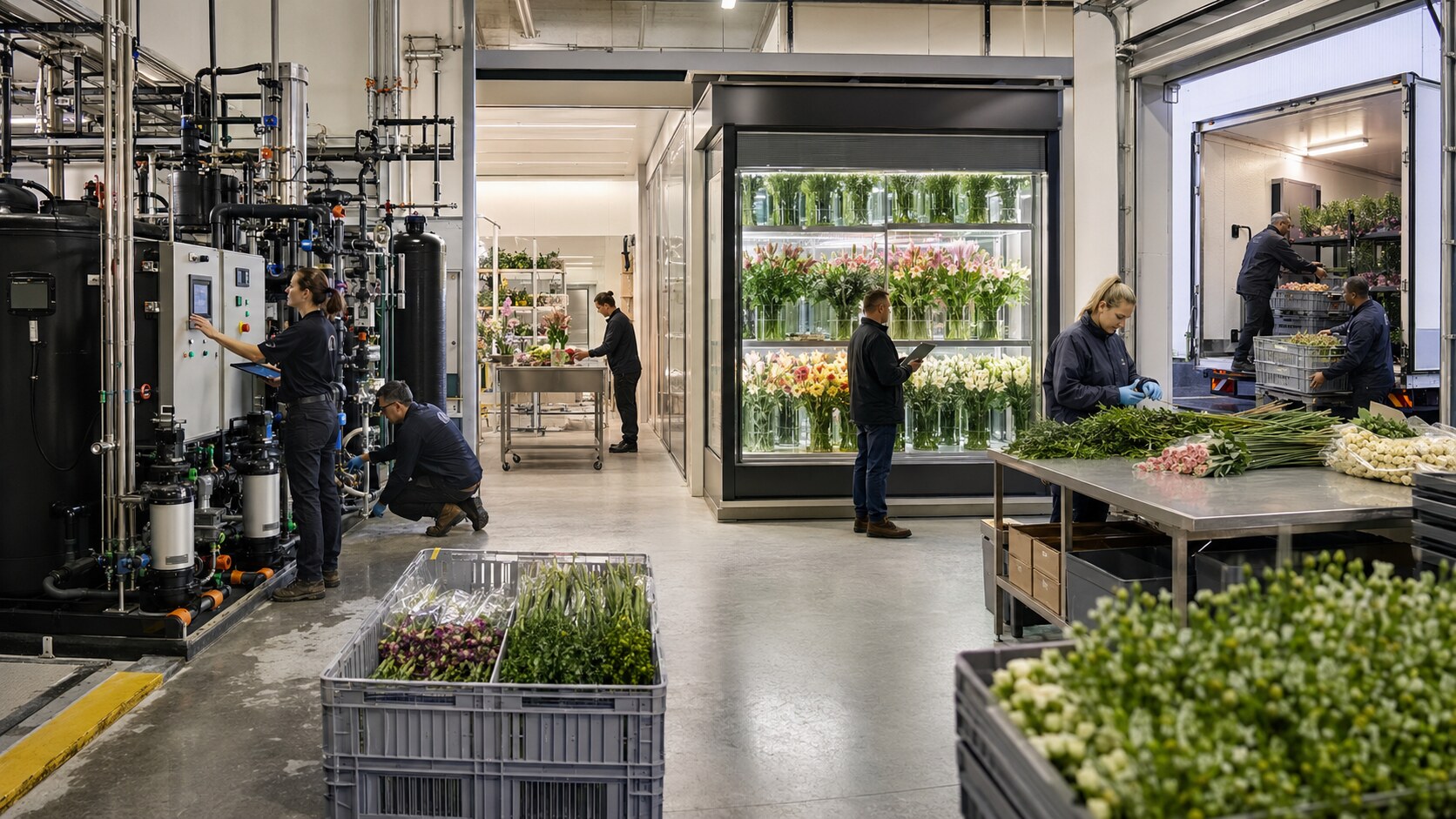
Product is graded to the partner standard, packed, placed into the cold chain and prepared for shipment.
Unitedflora is being developed to plan production capacity, crop standards and operational continuity as one connected system.
Seasonality, climate and fragmented supply make it difficult to repeat the same product on schedule.
Appearance, performance, packing and delivery criteria must become more measurable as volume grows.
When production, quality, packing and shipment are disconnected, growth creates more operational risk.
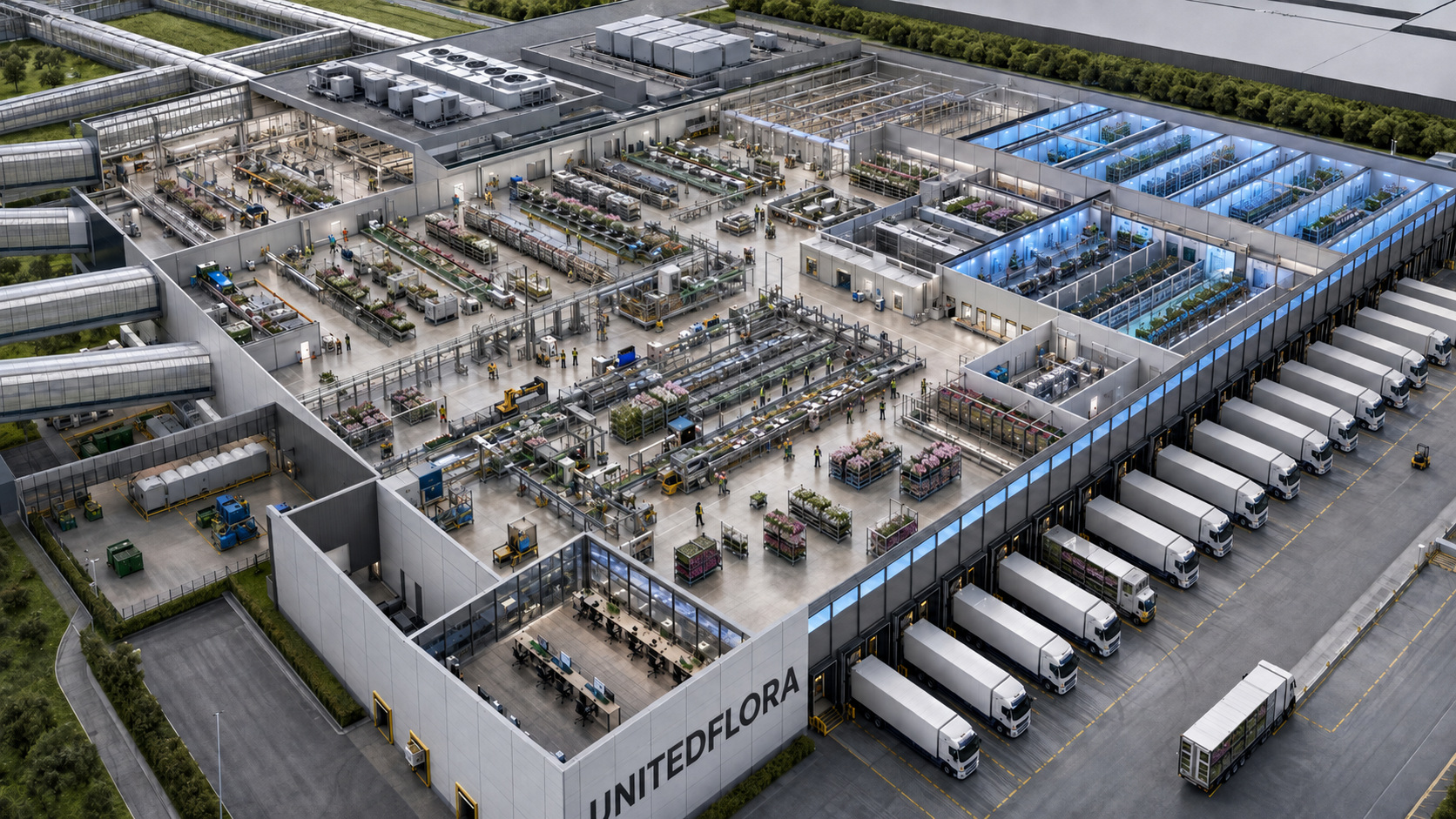
An approved crop programme brings together controlled-environment infrastructure, production protocol, quality oversight and delivery readiness. The aim is to turn production complexity into a manageable service while the brand remains focused on its customers and market.
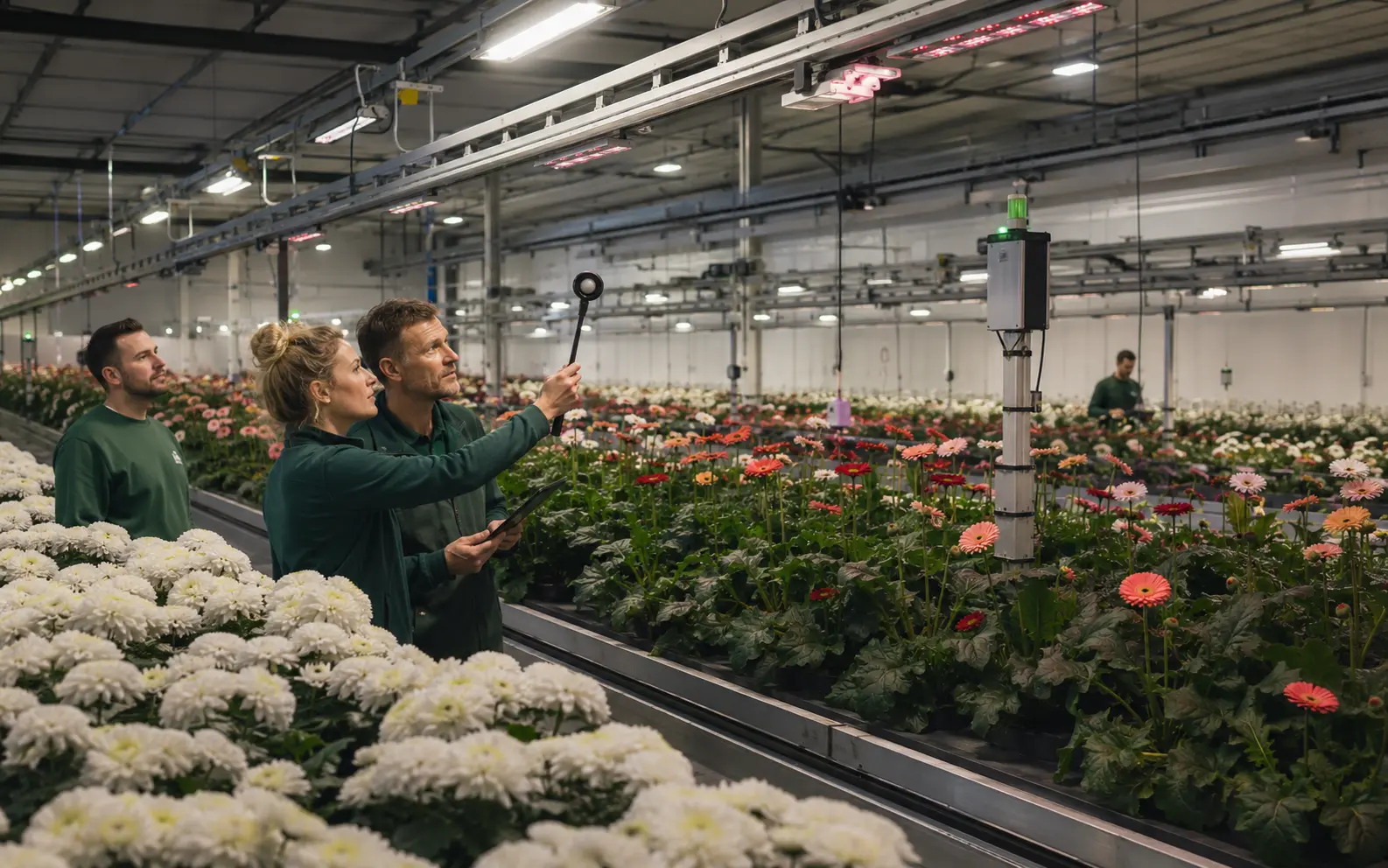
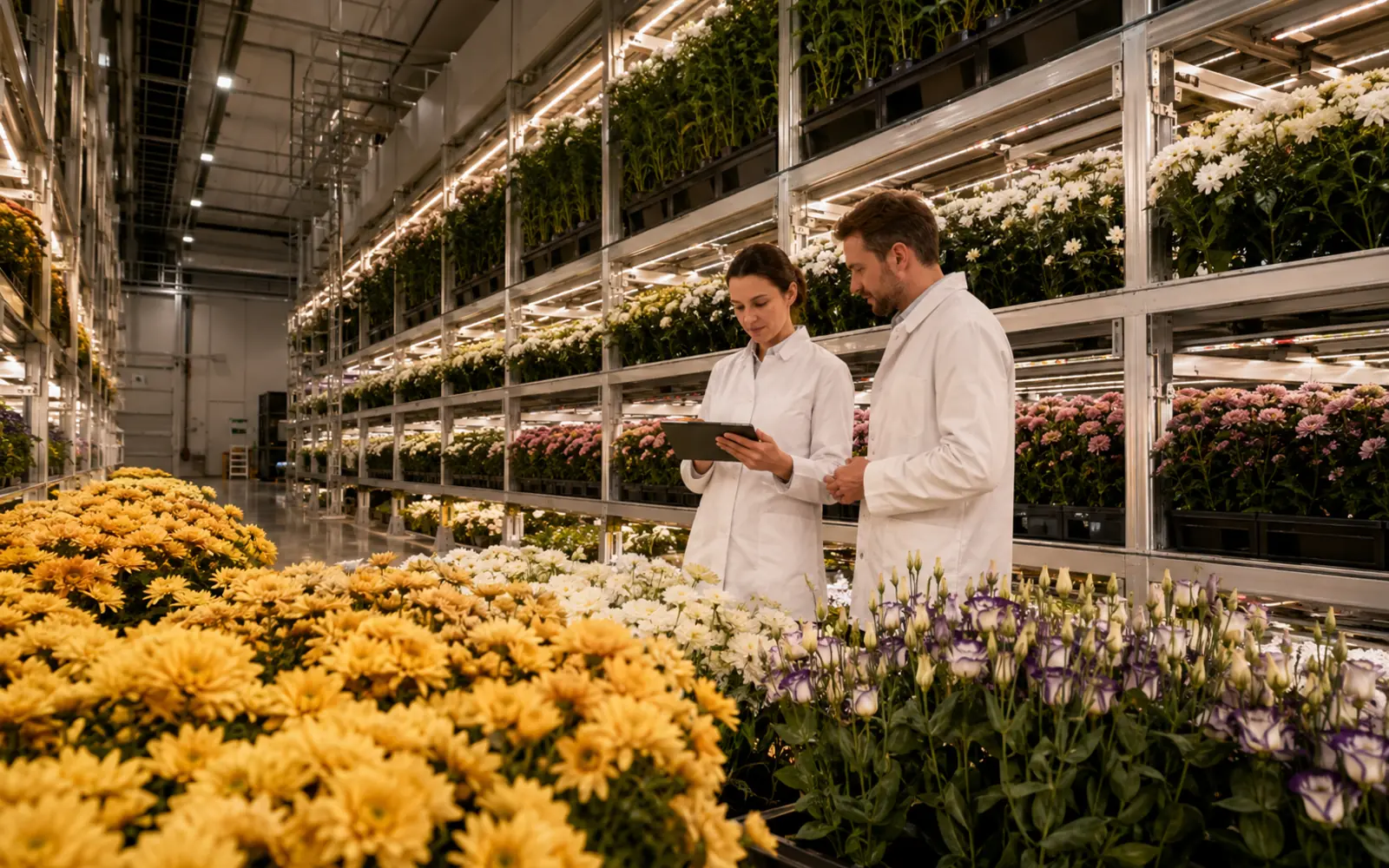
Unitedflora's planned indoor-production architecture brings climate, light, root-zone conditions and production data together around a crop-specific recipe.
Temperature, relative humidity, air movement and photoperiod are managed for each crop programme.
Spectrum, PPFD, DLI and lighting duration are planned around each growth stage.
Water temperature, EC, pH, nutrient recipe, recovery and hygiene protocol are treated as one system.
Recipes, lots, cycles, quality criteria and process performance are recorded.
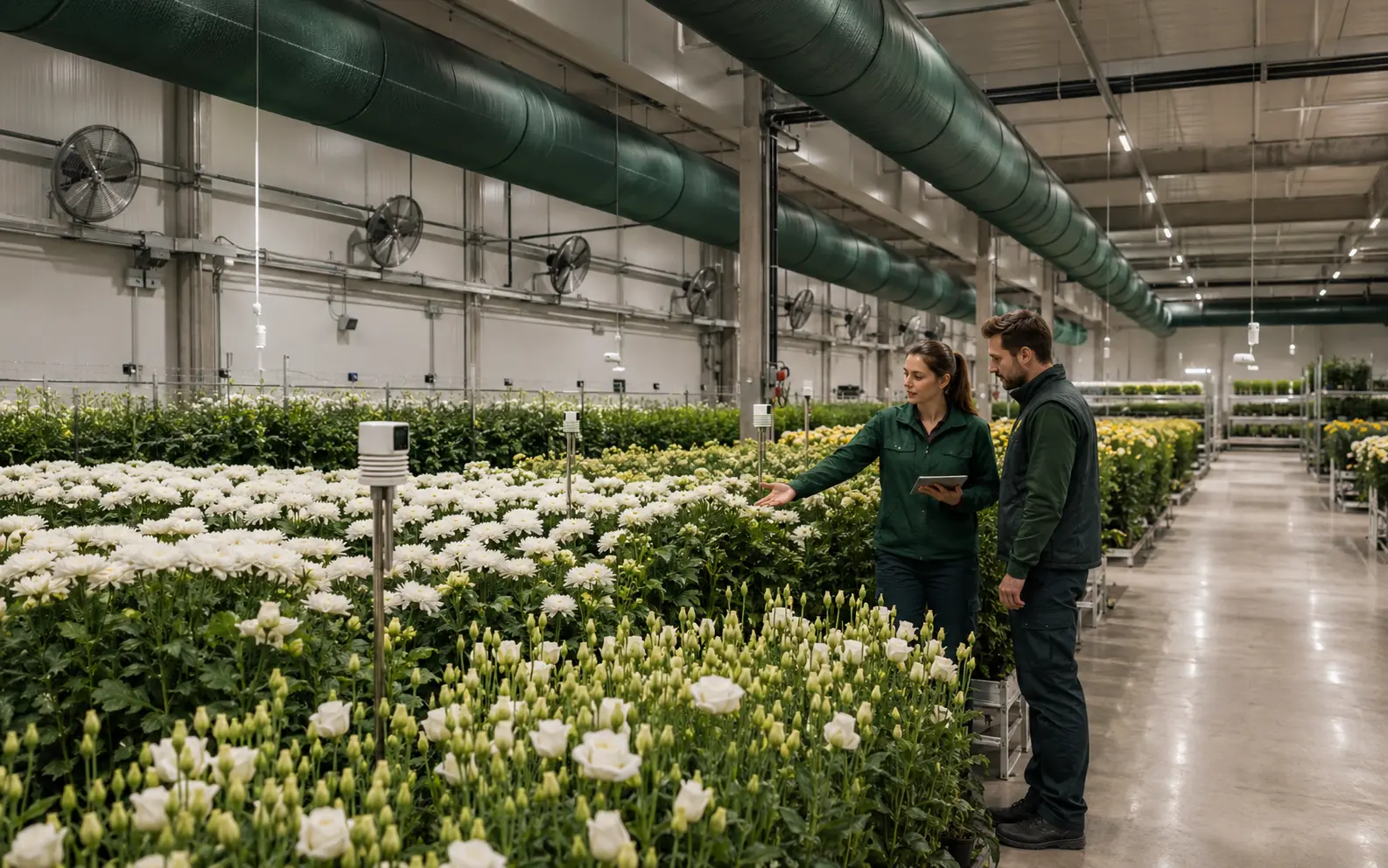
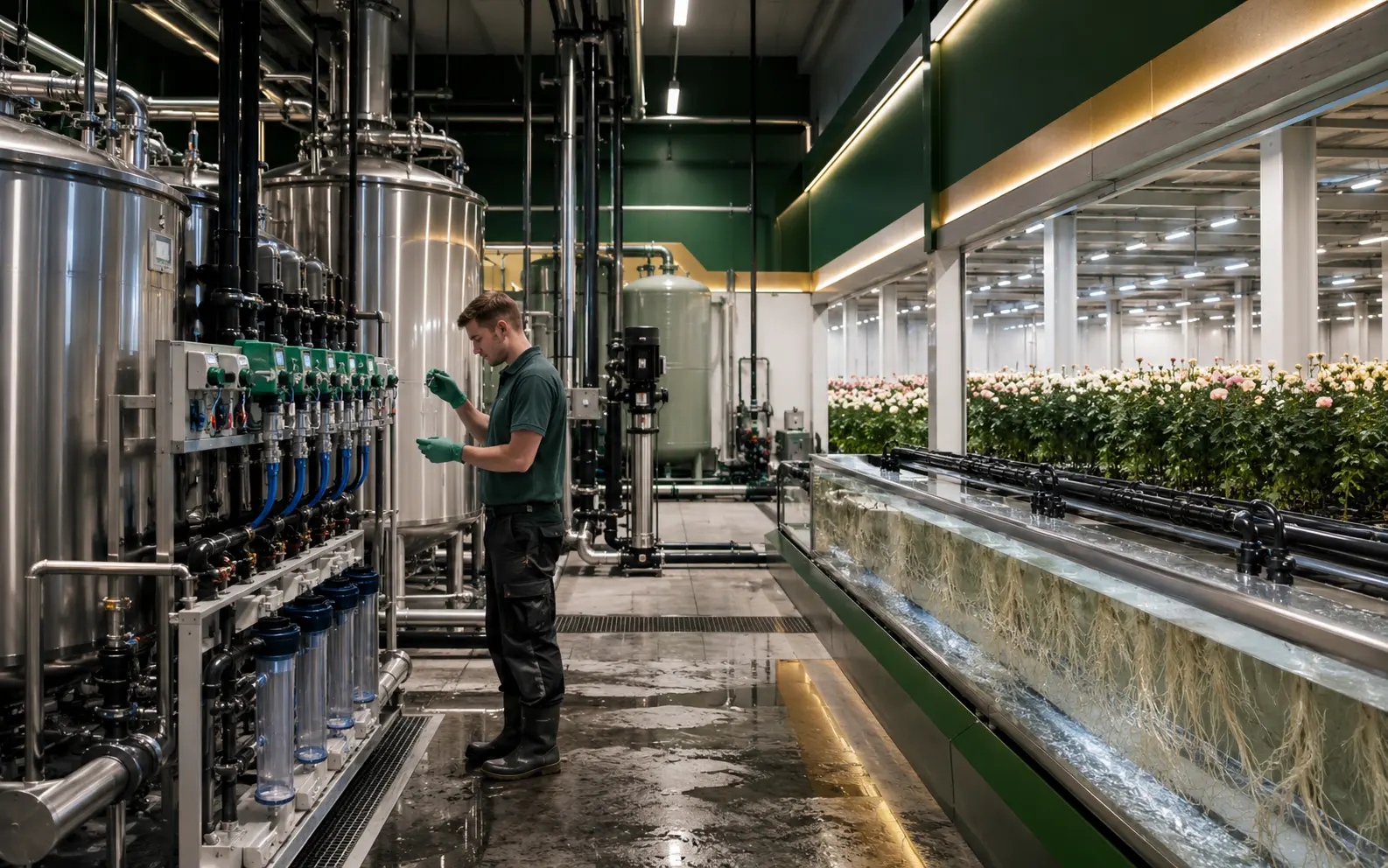
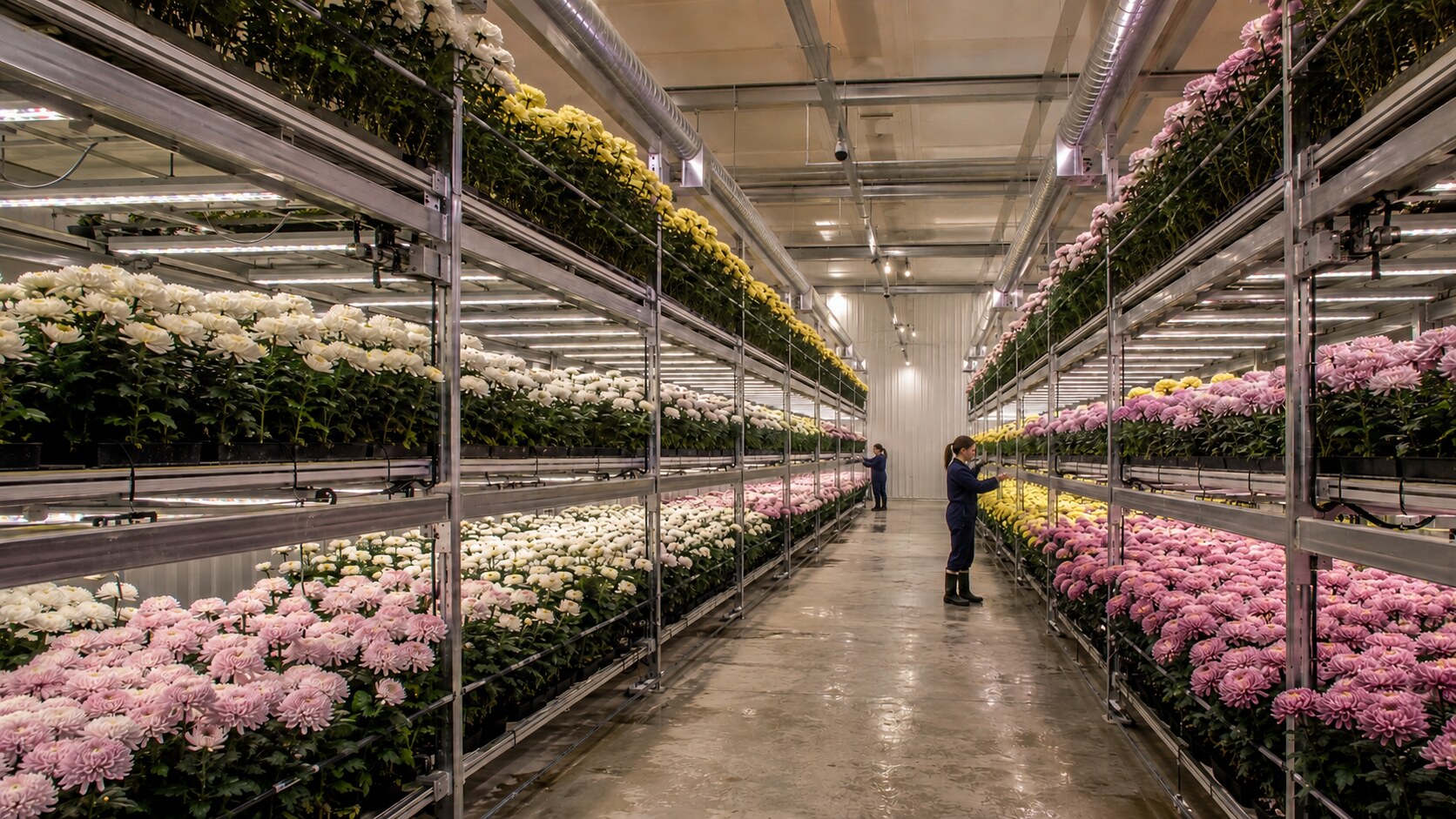
A modular multi-layer architecture is designed to scale space use around crop height and growth stage.
Development work has been completed successfully. Crop programmes now focus on agreed specifications, capacity and delivery planning.Every application begins a joint assessment process; it does not constitute a promise of capacity.
Crop group, annual volume, target market and the applicant's operating model are reviewed together.
Genetics, quality, cycle, packing and delivery expectations are translated into measurable criteria.
Product specifications, quality standards, production schedules and delivery terms are agreed together.
For an accepted programme, demand plan, term, reserved capacity and delivery model are defined.
From crop portfolio and controlled production to cold chain and market delivery, the entire system speaks one language of quality.


Each crop is treated as a dedicated programme with its own genetics, appearance, cycle, quality and delivery standard.
Disbud and spray programmes with targets for stem, flower diameter, colour and vase life.
Variety, bulb grade, opening stage and packing standards for cut and potted products.
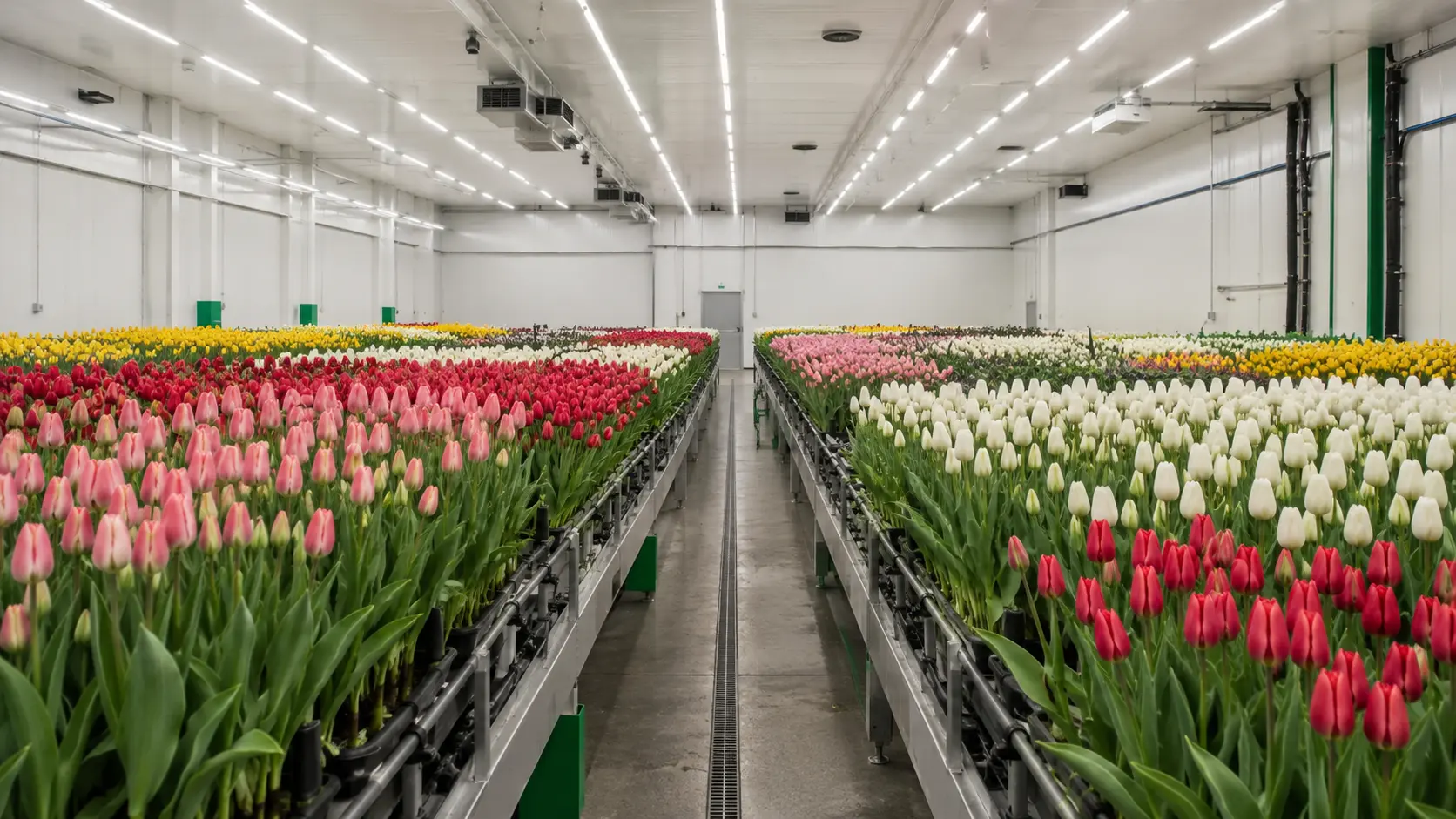
Controlled cycles, uniform length and shipment readiness aligned with the market calendar.
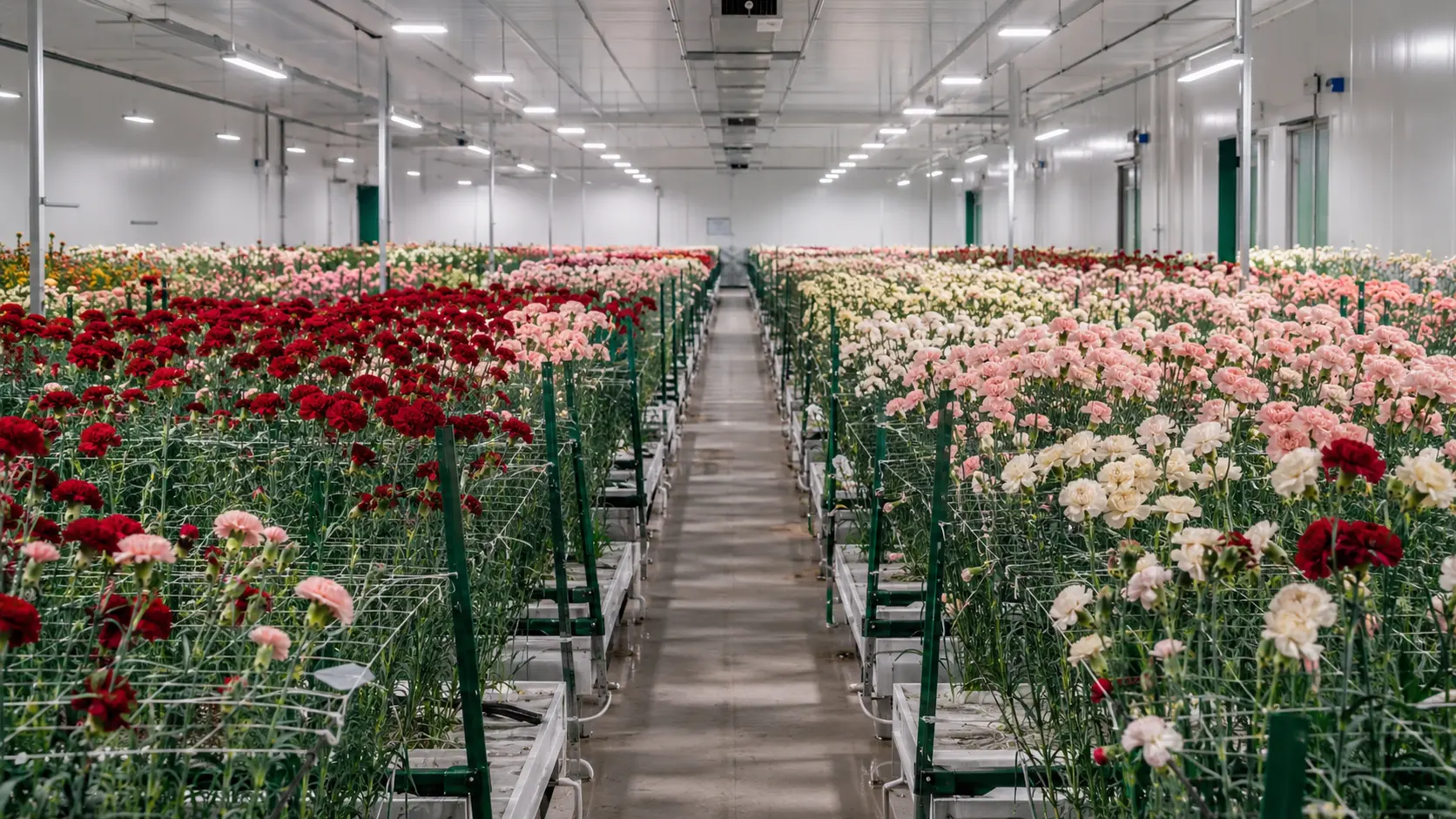
Standard and spray types with targets for long stems, strength, colour and vase life.
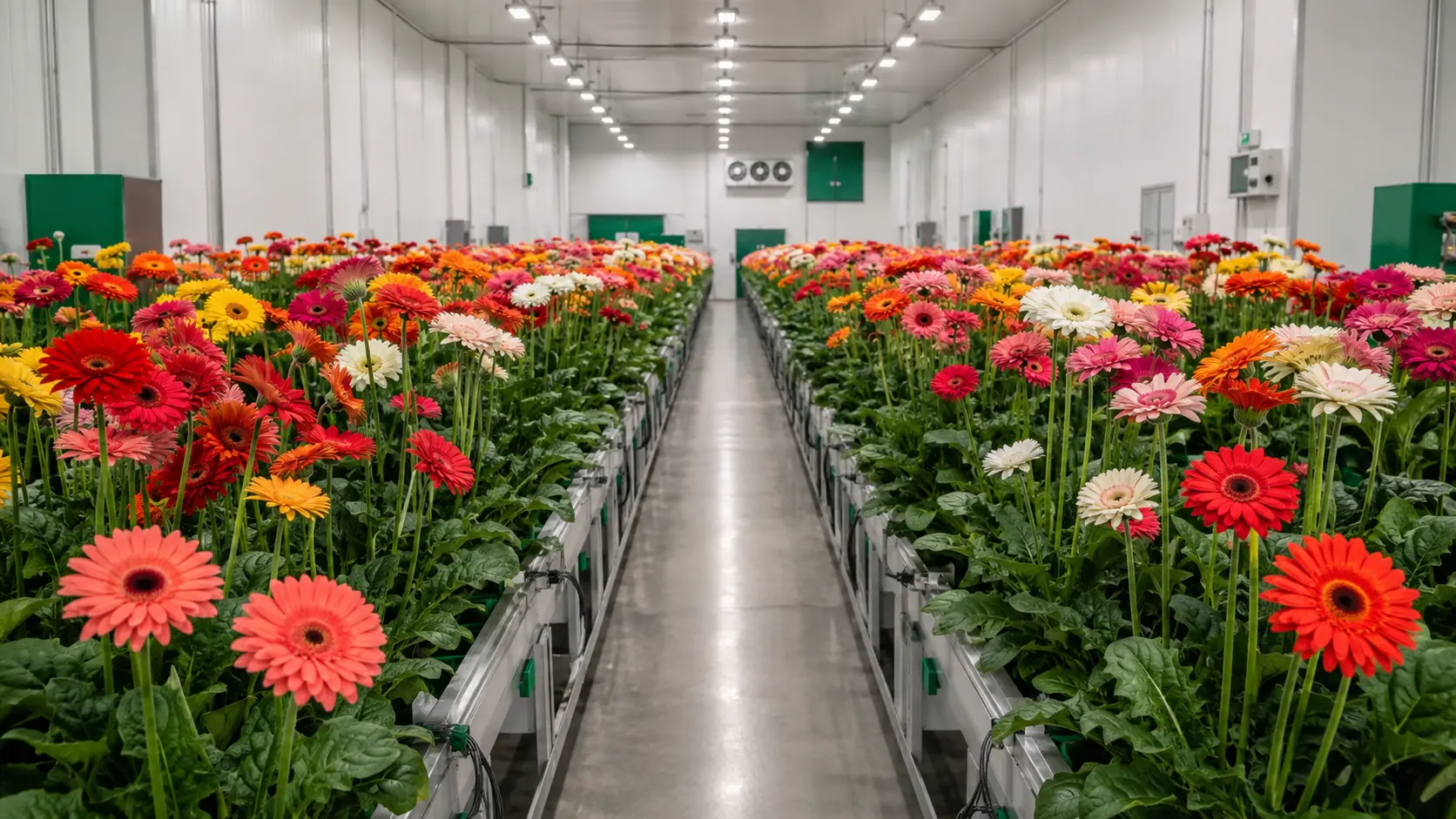
Programmes defined by flower diameter, stem strength, colour group and harvest maturity.
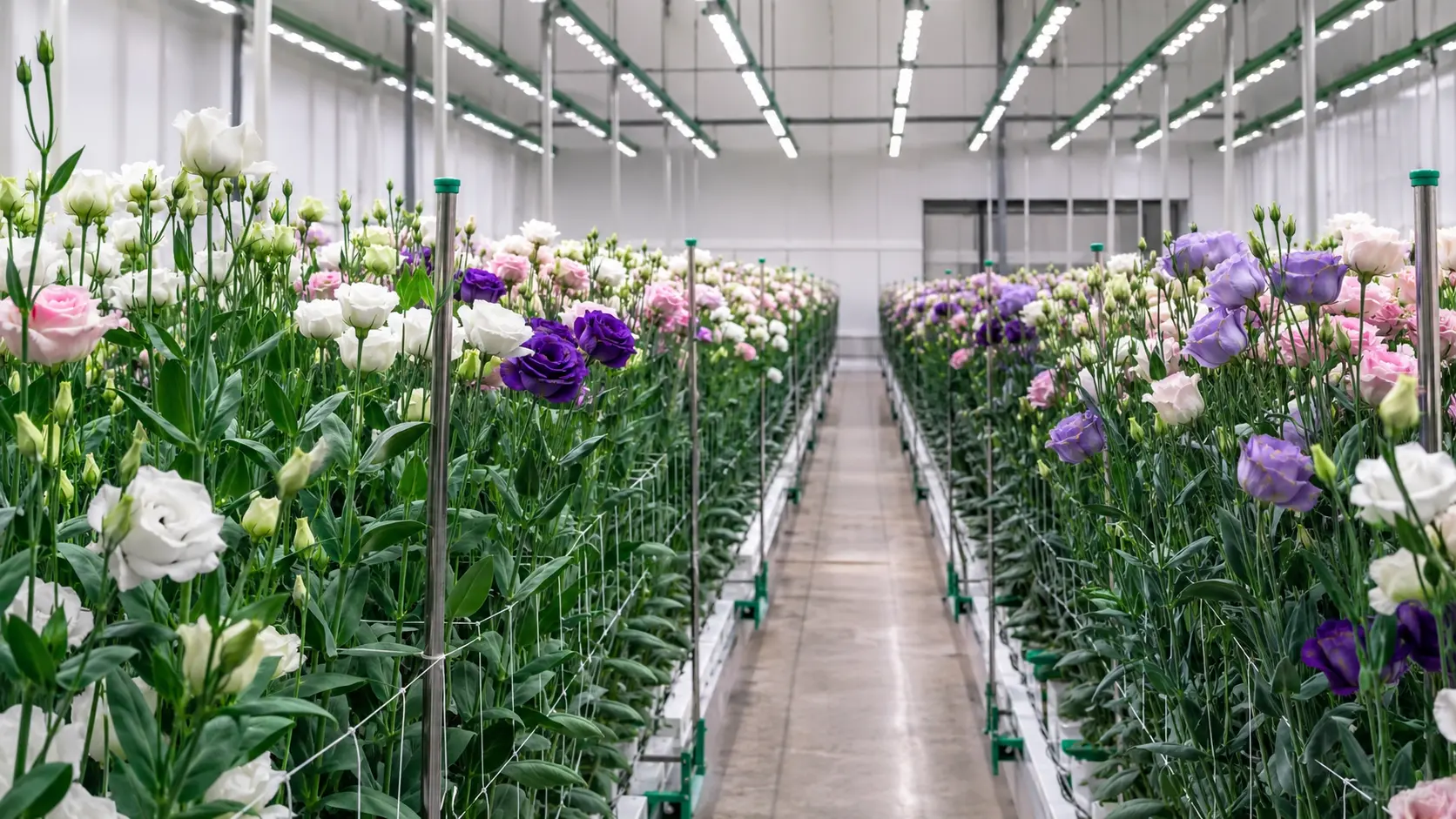
Programmed around petal form, stem count, colour and opening stage.
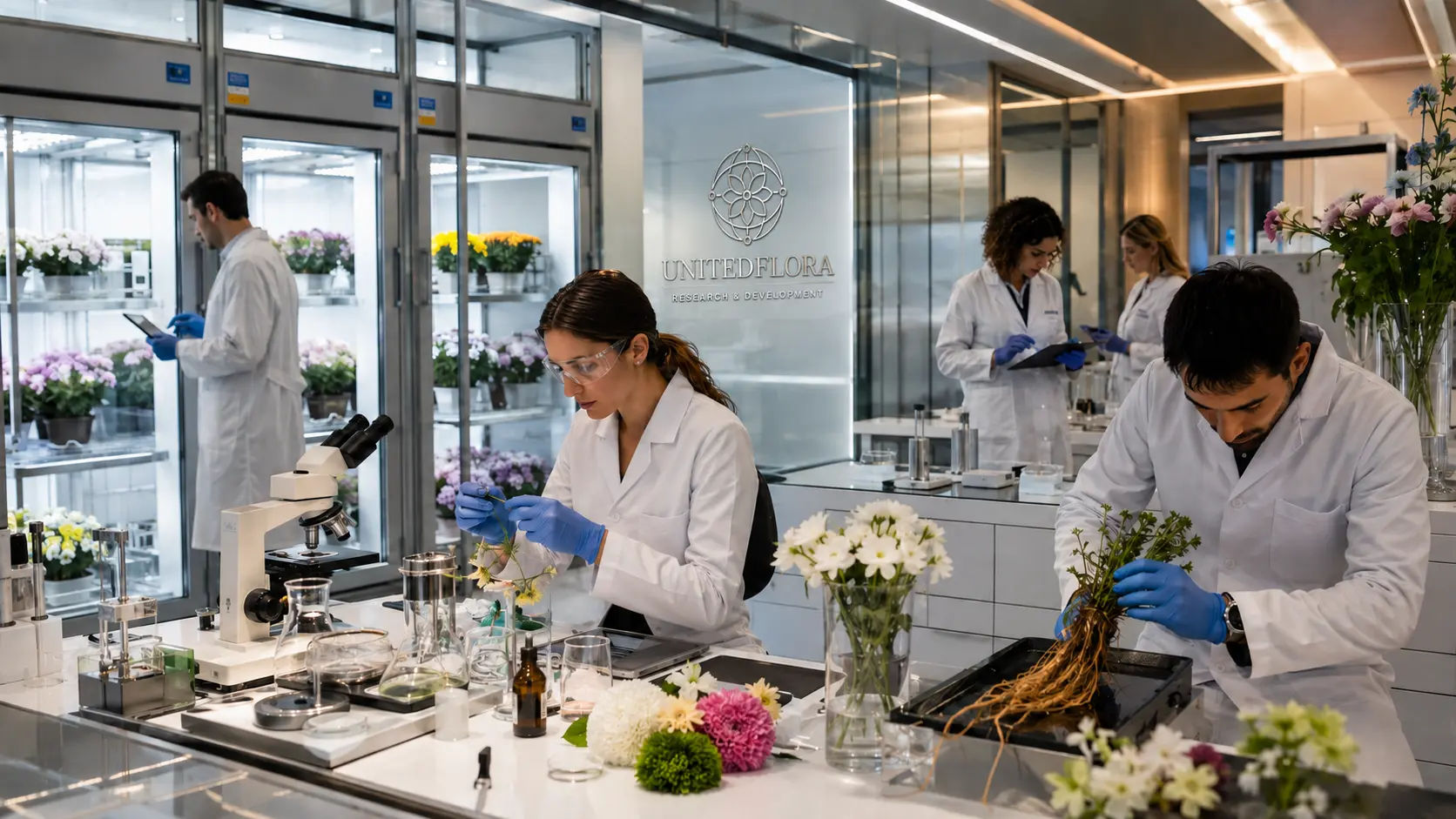
Assessment of brand-specific genetics, colours, packing and new-market programmes.
Crop, market and annual-volume information is received.
Infrastructure and operating fit are evaluated.
Quality, packing and delivery criteria are agreed.
Product specifications and delivery schedules are agreed.
Calendar, commercial model and reserved capacity are defined.
Lot-based production, quality and shipment are managed.
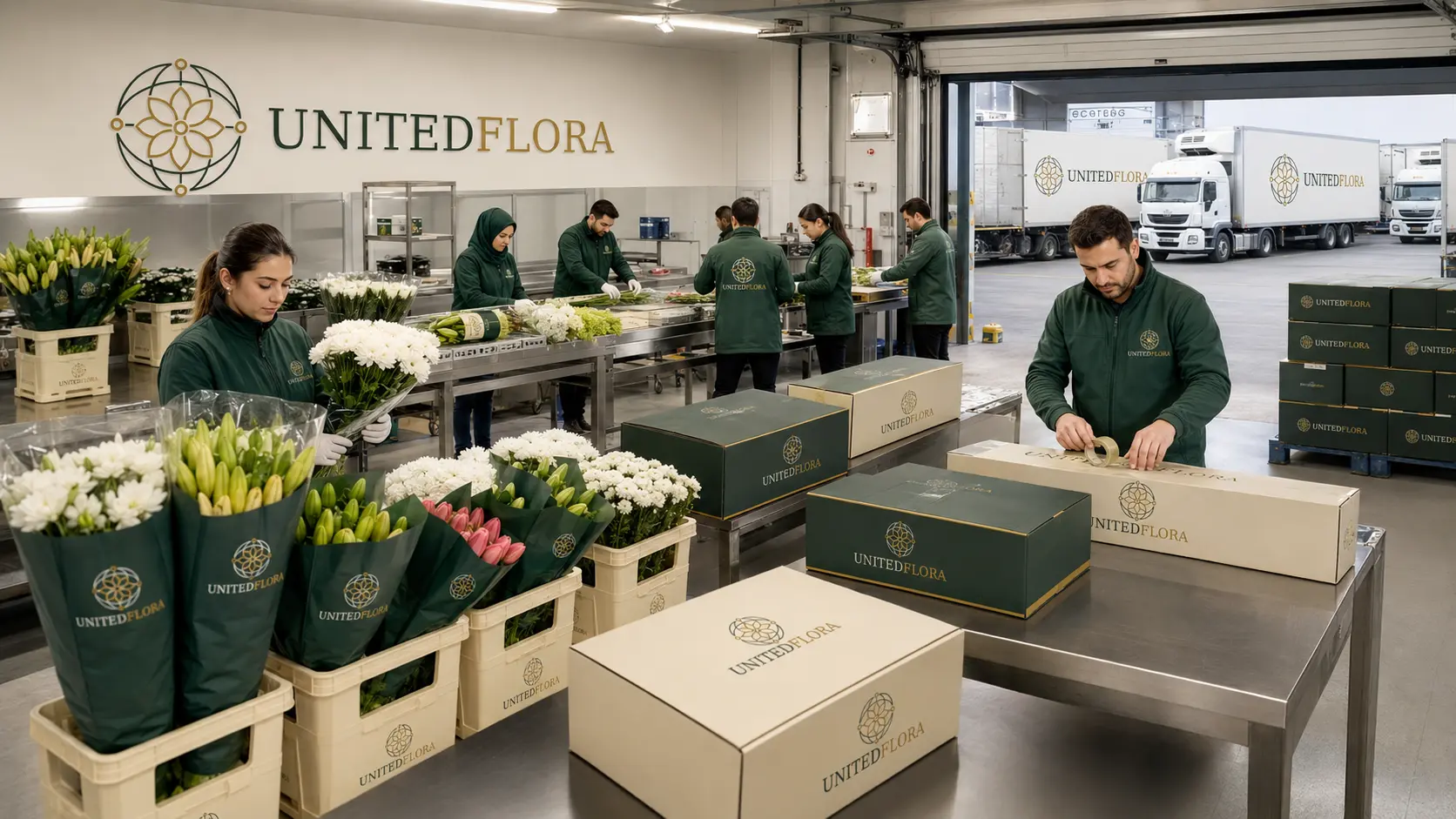
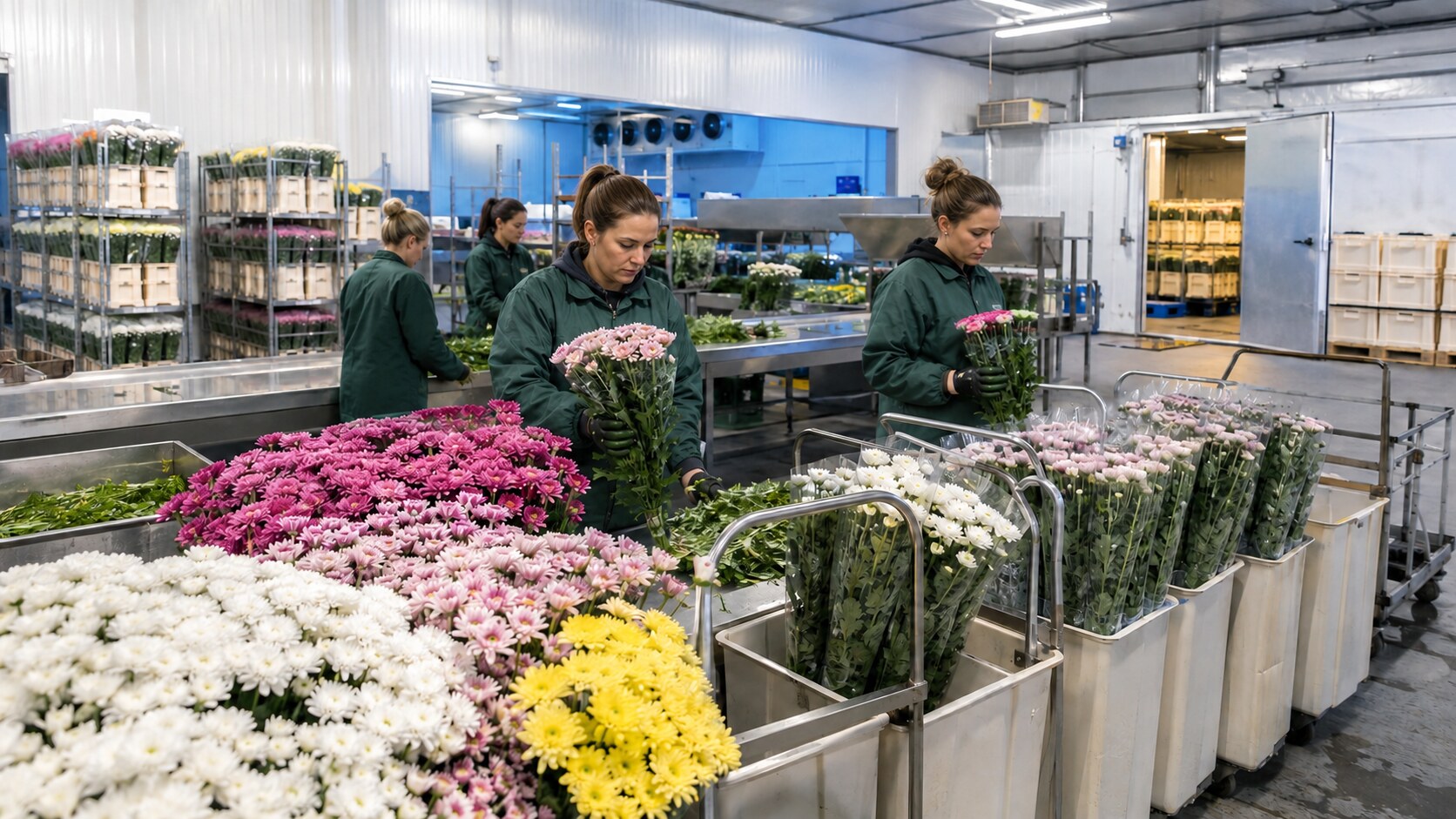
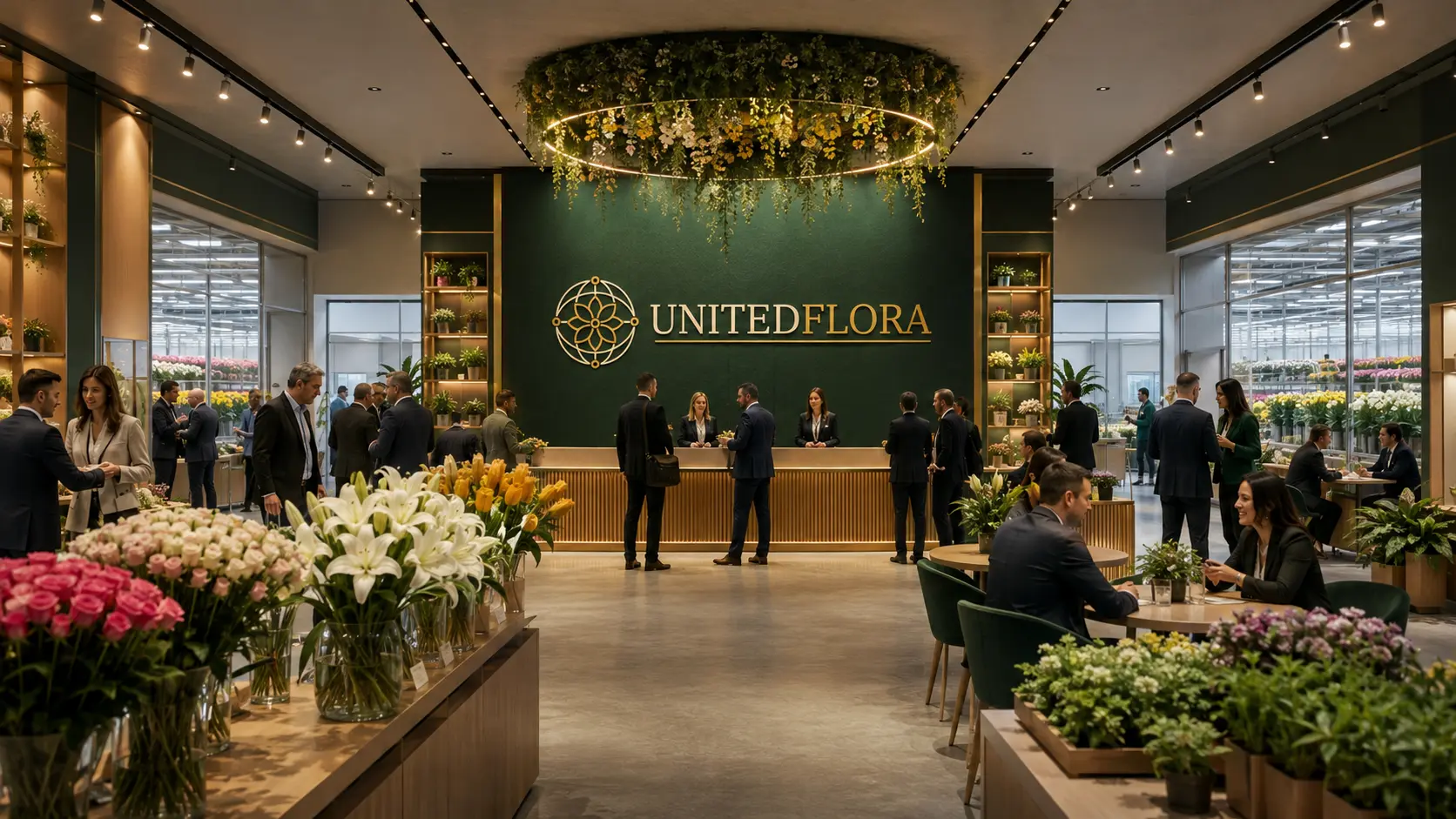
Climate, root-zone, light, recipe, quality and shipment data are connected around the crop programme.
Brands seeking to transfer production complexity and focus on their market.
Sales networks requiring repeatable quality and planned volume.
Retailers developing a private-label product programme.
Entrants with validated demand and the required readiness.
Organisations taking proprietary genetics or products to scale.
These are planned corporate and technical readiness areas; certifications still in progress are never presented as completed.
Quarantine, hygiene and biosecurity protocols
Lot, measurement, non-conformance and corrective-action records
Monitoring water, energy, input and waste performance
Lot history from genetic material to delivery
Instead of a fixed quantity threshold, crop, market, continuity, quality and commercial readiness are assessed together.
Yes. Approved programmes can be configured around the partner's product, packaging and delivery standard.
We welcome production enquiries from every country. Delivery options are reviewed for each destination and logistics plan.
No. Technical feasibility, market evidence, quality expectations and capacity fit are assessed together.
The production calendar is confirmed after contract, capacity and material planning are complete.
Product, market and brand information is handled under a corporate confidentiality approach during assessment.
We assess controlled-production partnership requests from flower brands, wholesalers, distributors and qualified market entrants.
Share your company, crop programme, estimated annual volume and target market for a preliminary production-partnership assessment.